
Beyond Composting: Why Thermophilic Microbes Are the Future of Industrial Waste Processing


From clean energy solutions to sustainable materials, eco-friendly innovations are reshaping how we live, build, and consume. These groundbreaking ideas are not only helping reduce our environmental footprint but also paving the way for a greener future.
1. From Backyard Compost to High-Performance Waste Processing
Traditional composting works well for gardens and small farms, but it struggles when scaled to the volume, complexity, and risk profile of industrial waste. Thermophilic microbes—microorganisms that thrive at temperatures above 45–50°C—offer a fundamentally different approach, combining speed, safety, and higher-value outputs.

By operating at elevated temperatures, thermophilic systems transform organic waste from “something to get rid of” into a controlled bioprocess that can recover energy, nutrients, and even specialty chemicals. This shift is key to moving from basic waste management toward a true bio‑circular economy.
2. What Makes Thermophilic Microbes So Powerful?
Thermophilic bacteria and archaea have evolved heat-stable enzymes, protective proteins, and unique cell membranes that keep them active where most microbes shut down. Their enzymes remain efficient at 55–70°C, enabling much faster breakdown of complex organics such as lignocellulose, fats, and industrial sludge.
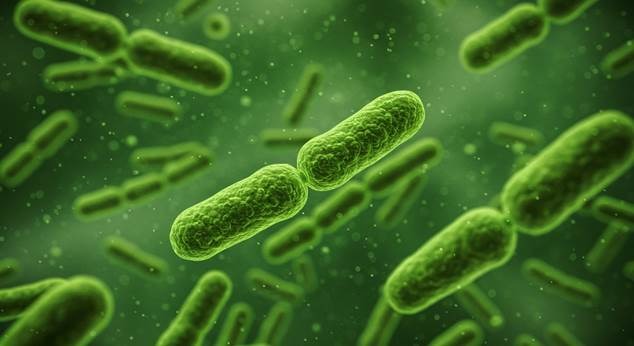
At these temperatures, thermophilic communities can outcompete many pathogens and spoilage organisms, reducing health risks and improving biosafety without chemical disinfectants. The result is shorter processing times, more robust pathogen kill, and a more predictable treatment curve for operators.
3. Advantages Beyond Conventional Composting
Compared with mesophilic (ambient‑temperature) composting, thermophilic processes offer several critical advantages for industrial sites:
· Speed and throughput
o Thermophilic composting and digestion significantly shorten treatment cycles, in some studies cutting active composting time from weeks to a few days when inoculated with optimized microbial consortia.
o Faster degradation means smaller footprint per ton of waste and higher potential throughput per reactor or bay.
· Better sanitation and odor control
o Sustained high temperatures (often 55–70°C) effectively inactivate many pathogens, weed seeds, and parasites that can survive in conventional compost piles.
o High-temperature aerobic or anaerobic conditions, when properly managed, reduce nuisance odors and volatile organic emissions.
· Higher-value outputs
o Thermophilic digestion can be tuned for biogas or specific biochemicals; for example, thermophilic consortia have been used to convert food waste into medium‑chain fatty acids such as n‑caproate without added electron donors.
o In bioleaching, thermoacidophilic microbes can recover metals from steelmaking dust and other solid wastes more efficiently than mesophilic cultures.
4. Industrial Applications Already Moving Beyond Compost
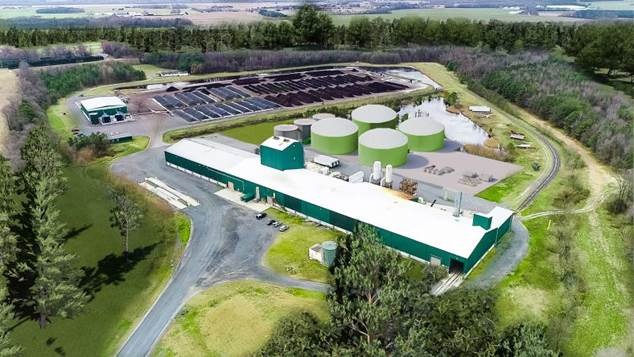
Thermophilic microbes are not a future fantasy—they are already being deployed across several industrial waste streams:
· Sludge and wastewater
o Thermophilic aerobic and anaerobic digestion of industrial waste activated sludge increases volatile solids reduction and improves dewaterability while reducing overall sludge volume.
o Elevated-temperature systems can maintain higher reaction rates, allowing smaller or more compact reactors for the same treatment capacity.
· Organic industrial residues and food waste
o Thermophilic composting of manures and food waste accelerates stabilization, enhances nutrient availability, and reduces methane emissions relative to unmanaged decomposition.
o Carefully selected thermophilic consortia improve lignin‑degrading enzyme activity, enabling more complete conversion of fibrous materials that normally persist in compost.
· Metallurgical and mining residues
o Thermoacidophilic archaea are being tested for high‑temperature bioleaching of steelmaking dust and sulfide ores, unlocking metal recovery pathways that are difficult or uneconomic with traditional chemistry alone.
These use cases show that thermophilic microbiology can bridge the gap between “waste treatment” and “resource manufacturing,” particularly when combined with good process control and downstream valorization.
5. Designing Thermophilic Systems for the Real World
To move beyond pilot projects, industrial thermophilic processing needs to be engineered as a complete system, not just a hot compost pile:
1. Feedstock characterization
o Understand moisture, C:N ratio, contaminants, and expected variability across seasons and production cycles.
2. Process selection and control
o Choose between thermophilic aerobic composting, anaerobic digestion, or hybrid systems based on desired outputs (e.g., biogas, biofertilizer, specialty products).
o Use sensors and (increasingly) AI‑assisted control to manage temperature, aeration, moisture, and retention time for stable thermophilic phases.
3. Microbial strategy
o Leverage natural succession of thermophilic communities or inoculate with tailored consortia to accelerate startup, extend high‑temperature phases, and target specific degradation pathways.
4. Product and compliance strategy
o Plan from the start how to certify fertilizers, capture biogas, or recover metals so that regulatory and market requirements are integrated into system design.
When these elements come together, thermophilic microbiology becomes a core part of industrial decarbonization and circular economy strategies—not just an incremental upgrade to composting.
Is your current waste system struggling to keep up? Upgrade from slow, traditional composting to RePure’s high-performance thermophilic bio-conversion. Solve your toughest sludge and organic waste challenges with patented biotech engineered for speed and safety.
👉 [Request a Technical Consultation & Waste Stream Audit]
Frequently Asked Questions
