
Navigating CBAM & Net Zero: How On-Site Waste Treatment Turns Compliance Costs into Revenue


From clean energy solutions to sustainable materials, eco-friendly innovations are reshaping how we live, build, and consume. These groundbreaking ideas are not only helping reduce our environmental footprint but also paving the way for a greener future.
Hero: CBAM, Net Zero and a New Opportunity
From the EU’s Carbon Border Adjustment Mechanism (CBAM) to global Net Zero pledges, carbon has effectively become a new trade barrier for exporters. Companies that once treated environmental compliance as a “necessary cost” are now discovering that smarter waste management can actually generate measurable revenue.
1. CBAM: When Carbon Becomes a Border Cost
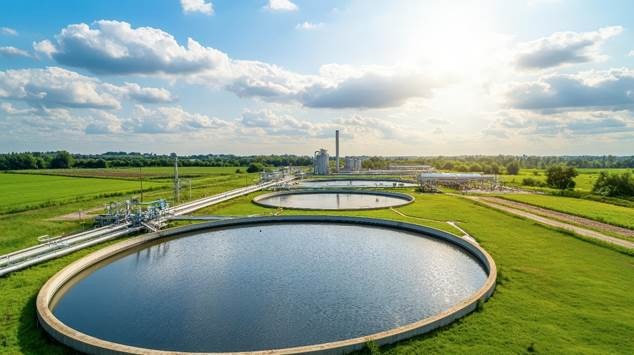
CBAM places a carbon price on imported products with high embedded emissions, forcing exporters to either prove their real carbon footprint or pay additional charges at the EU border. For sectors such as steel, cement, fertilizers, aluminum, chemicals, and food processing, unmanaged waste and inefficient energy use now show up directly as higher product carbon intensity and reduced competitiveness.
At the same time, CBAM raises the bar for transparency: buyers and regulators want to know how many tons of CO₂e are linked to each ton of product, including emissions from waste handling and disposal. This creates strong pressure to redesign production systems around lower emissions, better data, and circular resource flows.

2. Turning Organic Waste into a Low-Carbon Asset
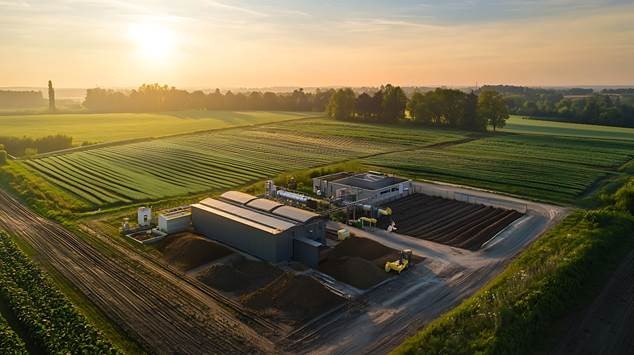
On many industrial sites, organic sludge, food residues, and other biodegradable by‑products are still treated as a disposal problem: they are transported, landfilled, or incinerated at significant cost. When on-site biological treatment and circular solutions are introduced, the very same waste stream can be converted into certified organic fertilizer, biomass fuel, or other bio-based products.
On-site treatment cuts methane and nitrous oxide emissions from uncontrolled decomposition and long-distance transport, significantly lowering the embedded carbon in each unit of output. At the same time, companies can document these reductions in their carbon footprint, allowing them to demonstrate a cleaner product profile for CBAM reporting and ESG disclosure.
3. How On-Site Treatment Turns Compliance into Revenue
Once on-site waste conversion is integrated into a CBAM and Net Zero strategy, three clear value streams emerge:
· Cost savings
o Reduced costs for waste transport, landfill, or incineration.
o Lower purchases of synthetic fertilizers or fossil fuels thanks to internal use of recovered products.
o Fewer penalties or surcharges related to non-compliance with environmental standards.
· New products and services
o Sale of certified organic fertilizers, soil improvers, and biomass pellets to local farmers or industrial users.
o Potential service models where the facility also processes organic waste from nearby businesses or communities.
· Carbon value
o Quantified emission reductions from avoided landfill, avoided fossil inputs, and improved energy efficiency.
o Contributions to internal Net Zero targets and, where applicable, the creation of tradable carbon credits or incentives.
By clearly linking these benefits to each ton of product, manufacturers can comply with CBAM while strengthening their price position and telling a credible low‑carbon story to global customers.
4. Building a CBAM-Ready Waste Ecosystem Around the Plant
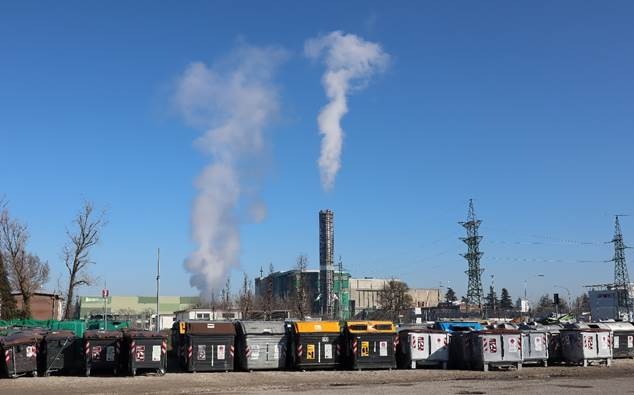
To fully unlock this potential, companies need more than equipment—they need an ecosystem of data and partnerships. Sensors and digital monitoring systems can track input volumes, treatment performance, and avoided emissions in near real time, providing robust evidence for audits, CBAM declarations, and ESG reporting.
Collaboration with industrial parks, local authorities, and surrounding communities can help aggregate organic waste streams and share treatment infrastructure. When multiple factories join a shared “bio-loop,” unit investment costs fall while regional branding, export reputation, and contribution to national Net Zero goals all increase.
5. A Practical Roadmap for Net Zero Manufacturers
For manufacturers under growing CBAM and climate pressure, the most effective starting point is often the waste already on site. A practical roadmap might look like this:
1. Assess and map
o Identify waste and carbon hotspots across processes, with special focus on organic streams and energy-intensive steps.
2. Pilot on-site treatment
o Select one facility or product line and install a modular biological treatment system linked to monitoring tools.
3. Measure and prove results
o Compare costs, emissions, and revenues before and after implementation.
o Quantify cost savings, additional product revenues, and tons of CO₂e reduced to feed into CBAM and Net Zero reporting.
4. Scale and integrate the value chain
o Roll out successful solutions across multiple plants.
o Engage suppliers, customers, and nearby communities to close the loop on organic resources and amplify climate impact.
By following this pathway, on-site waste treatment stops being a line item under “compliance” and becomes a core piece of business infrastructure—supporting export access, protecting margins under CBAM, and moving the entire value chain closer to Net Zero.
Protect Your Export Margins from CBAM. Don't let carbon taxes erode your competitiveness. Our experts help you map your waste streams and quantify potential carbon reductions.
👉 [Book Your Free CBAM-Ready Waste Audit]
Frequently Asked Questions
